
Each month brings new challenges and breakthroughs to public health on a global scale. Tracking these updates is key to understanding where resources and efforts should focus, how disease patterns shift, and which communities face the greatest risks or stand to benefit from scientific progress.

Current stories highlight how changes in funding, such as reductions in aid for HIV or vaccine programs, directly impact the reach and quality of essential care. Reports of infectious disease outbreaks and emerging threats, like anthrax in Africa and rising influenza cases, underscore the need for robust surveillance and responsive systems.
Innovations, including new long-acting HIV medications and advances in vaccine technology, offer hope for tackling persistent health issues. These complex developments shape policies, influence international collaboration, and affect millions of lives worldwide. Understanding the biggest stories from this month offers insights into the forces that are shaping the future of public health.
Infectious Disease Surveillance and Response
Global health depends on how quickly we detect, track, and respond to infectious disease threats. This month brings several major developments from frontline malaria elimination efforts to advanced influenza control and the growing use of artificial intelligence in public health. Each step in these areas shapes our ability to reduce outbreaks, save lives, and build trust in health systems.
Malaria Elimination Strategies: WHO’s 2016–2030 Global Technical Strategy and Advances
The World Health Organization’s Global Technical Strategy for Malaria 2016–2030 sets an ambitious course: cut malaria case incidence and deaths by at least 90% by 2030. These targets depend on robust investment, innovation, and making prevention, diagnosis, and treatment universally accessible. High-burden regions, especially in sub-Saharan Africa, guide much of the strategy and investment.
Efforts focus on the following key elements:
- Integrated Prevention: Scaling up proven interventions like long-lasting insecticidal nets (LLINs), indoor residual spraying, intermittent preventive treatment in pregnant women (IPTp), and seasonal malaria chemoprevention (SMC).
- Universal Diagnostics and Case Management: Rapid diagnostic tests have transformed malaria detection. Health workers in even the most rural settings now rely on accurate, affordable tools. This leap in early diagnosis has improved case management and reduced overtreatment.
- Surveillance as a Core Intervention: Digital tools and real-time data strengthen malaria program responses. Surveillance not only tracks disease patterns, but also spots gaps in coverage or emerging resistance.
- Innovations and Community Engagement: Faced with drug and insecticide resistance, research invests in new vector control methods and medicines. Strong community participation and local adaptation are essential for lasting success.
The updated strategy (2021) calls for even stronger health systems, new technologies, and multi-sectoral approaches. While progress is steady, rising operational costs, resistance, and funding shortfalls remain major challenges.
Influenza’s Ongoing Threat: Global Impact and Control in 2025
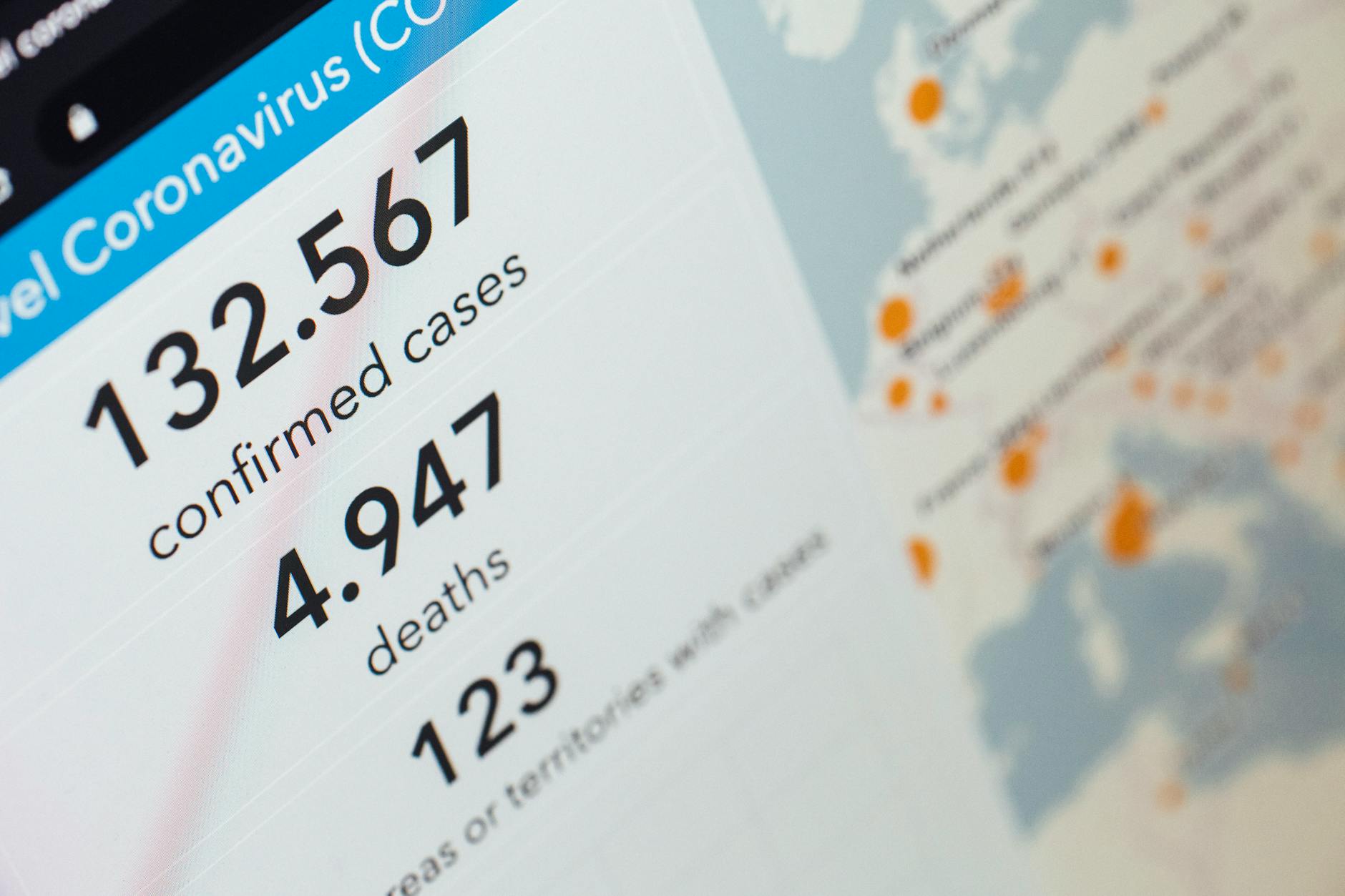 Photo by Markus Spiske
Influenza continues to strain health systems every year, causing millions of severe illnesses and fatalities. The WHO estimates worldwide positivity at over 22% in early 2025, and the ever-shifting virus has required new approaches to stay ahead.
Efforts to control influenza today include:
- Robust Surveillance and Real-Time Data Sharing: The Global Influenza Surveillance and Response System (GISRS) gathers data from 130 countries, integrating laboratory and epidemiologic data under trusted platforms (e.g., FluNet, FluID).
- Advanced Vaccines: New research has produced vaccines capable of protecting against multiple groups of influenza A viruses. The aim is longer-lasting immunity and broad coverage to dampen transmission.
- Forecasting and Preparedness: Ensemble predictive models now combine various approaches for more accurate seasonal forecasts, especially in regions with unpredictable timing.
- Post-Pandemic Shifts: COVID-19 disrupted influenza patterns, delaying outbreaks and reducing peak intensity across temperate, tropical, and subtropical areas. These changes require even more agile surveillance and response strategies.
Recent attention to highly pathogenic avian influenza has driven global action. A major international strategy, launched in 2025, emphasizes biosecurity, early detection, and close partnerships across animal and human health. This “One Health” approach recognizes that human, animal, and environmental health are deeply connected.
Despite scientific gains, influenza still poses a threat to global stability, especially as vaccine uptake lags and new strains emerge. Consistent investments in forecasting, system integration, and equitable vaccine access are vital.
AI in Outbreak Detection and Control
Artificial intelligence has begun to change how we fight infectious disease, adding speed and accuracy to global surveillance systems. In 2025, AI-driven models supplement traditional data sources by analyzing diverse inputs like news reports, social media posts, environmental conditions, and even wastewater.
Key benefits and advances of AI tools for outbreaks:
- Earlier Outbreak Signals: Machine learning and advanced algorithms can spot signals of emerging disease days before official reports. For instance, platforms like EPIWATCH and BlueDot have matched or outpaced public alerts for COVID-19 and influenza events.
- Precision and Resource Allocation: Integrating health records, population movement, and climate data helps target public health responses and predict spread down to the neighborhood.
- Genomic Surveillance: AI now filters through genetic sequence data to track variants and mutation trends, crucial for vaccine and treatment development.
- Natural Language Processing (NLP): These algorithms scan news and open-source data across languages, bringing real-time visibility to emerging threats in areas with limited formal reporting.
However, challenges remain. Gaps in data quality, algorithm transparency, and ethical use can fuel mistrust or introduce bias. Privacy, fairness, and clear oversight are required as these systems scale up. Ongoing studies and new ethical guidelines urge greater transparency and cooperation across organizations and nations.
Looking ahead, AI will play an even bigger role in tailoring individual risk assessments, integrating wearable health data, and advancing personalized outbreak warnings. Continued progress hinges on international collaboration, robust data standards, and commitment to both technical and ethical excellence.
Funding Shifts and Their Impact on Global Health Initiatives
Significant changes in the global health financing environment headline this month’s updates. The decisions made by large donors, especially the United States, shape which life-saving programs reach people, the speed of scientific advances, and the strength of health infrastructure worldwide. As political priorities shift and budgets are reevaluated, ripple effects are felt far from Washington, D.C., directly affecting HIV, vaccine, and disease prevention programs in dozens of countries.
Consequences of Reduced U.S. Funding: Analyze the potential outcomes of decreased USAID and PEPFAR support, especially for HIV and vaccine programs
For decades, the United States has been the largest contributor to global health, particularly through the U.S. Agency for International Development (USAID) and the President’s Emergency Plan for AIDS Relief (PEPFAR). Nearly half of regular U.S. global health funding traditionally supports HIV/AIDS programs, much of which is routed through PEPFAR.
 Photo by Nataliya Vaitkevich
In 2025, proposed cuts to the U.S. global health budget would reduce resources for essential services and research:
- PEPFAR’s Legacy at Risk: A decrease in funding jeopardizes a program credited with saving over 25 million lives since its launch in 2003. PEPFAR has driven global declines in HIV deaths, prevented millions of infections, and built health systems that also fight TB, malaria, and COVID-19.
- Programs Facing Cuts:
- HIV prevention and surveillance at the Centers for Disease Control and Prevention (CDC) are targeted for complete elimination.
- Housing supports for people living with HIV, such as HOPWA, are slated for full withdrawal, threatening stability for 55,000 households.
- NIH’s HIV vaccine research faces massive cuts, placing promising vaccine work on hold.
- Impact on Vaccine Development: Funding contractions stall not just HIV research but also the ability to innovate and scale up vaccines for new and existing infections. The strategy shift to “upfront, annualized expenses” delays multi-year research and procurement, creating gaps.
- Global Ripple Effects: The United Nations projects that if these cuts are not offset, six million more HIV infections and four million AIDS deaths could occur by 2029. Countries with the heaviest burdens rely most on PEPFAR and U.S.-supported supply chains for antiretroviral drugs, diagnostics, and immunization campaigns.
Key points about the broader implications of U.S. funding decisions include:
- Loss of Health Infrastructure: Many countries use PEPFAR and USAID resources to support primary care, routine immunizations, and outbreak response. A pullback risks rolling back progress against HIV, destabilizing ongoing COVID-19 vaccination and polio eradication efforts, and slowing response to new threats like antimicrobial resistance.
- Weakening Emergency Preparedness: Cuts to surveillance and health system strengthening reduce the ability to contain outbreaks quickly, increasing the risk of local epidemics becoming regional or global crises.
While some call for innovative new funding models and increased philanthropic engagement, the sudden withdrawal of U.S. support leaves major gaps that few other donors can fill at present.
New Approaches to HIV Prevention: Examine the impact of injectable lenacapavir approval and rising criminalization challenges on the global HIV response
This year also brought both breakthroughs and new challenges to HIV prevention globally.
1. Progress with Injectable Prevention
A major medical milestone was marked by the approval of injectable lenacapavir for pre-exposure prophylaxis (PrEP). Clinical trials demonstrate near-perfect effectiveness, raising hope for those who face barriers to daily pill regimens.
Key benefits of this advance:
- Ease of Adherence: Lenacapavir is given as a subcutaneous injection every six months, eliminating the need for daily dosing and potentially reaching populations where adherence is a challenge.
- Improved Uptake Among Key Groups: Long-acting PrEP options offer new ways to protect adolescents, women, and marginalized groups who are most at risk but often left out by daily pill campaigns.
- Potential for Integration: Lenacapavir could be bundled with other routine health services, broadening the reach of combination prevention.
2. Setbacks from Policy and Social Context
Despite scientific gains, new policies and rising HIV criminalization present setbacks:
- Funding Roadblocks: As research dollars dry up, scaling up the newest treatments and prevention tools is threatened. Early excitement about mRNA-based HIV vaccines and antibody trials is on pause as large government-funded trials are canceled or left unfinished.
- Legislative Backlash: In many countries, laws that criminalize HIV transmission, same-sex relationships, or drug use have become stronger. Fear and stigma keep people from accessing HIV testing, care, and prevention—even when new innovations like lenacapavir are available.
- Loss of Targeted Prevention Programs: The U.S. CDC’s HIV prevention programs, especially those working with vulnerable populations, risk elimination. Community-led efforts, often the only bridge to at-risk groups, are losing critical resources.
The combination of a promising scientific advance and a restrictive policy environment highlights how progress in global health is never guaranteed. Technology can open new pathways, but only if systems are in place to reach people—and the political and social context is supportive. Without sustained investment and a focus on human rights, new tools may sit on the shelf instead of changing lives.
Emerging, Neglected, and Re-Emerging Health Threats
This month’s global health headlines underscore how both old and new dangers can quickly overwhelm health systems. Persistent outbreaks, neglected diseases, and setbacks in vaccine research call for a collective response anchored in science, policy, and community engagement. Across Africa and beyond, challenges in diagnosis, entrenched health inequities, and funding uncertainties create ripple effects that threaten progress.
Anthrax and Diagnostic Challenges in Outbreaks
Recent anthrax outbreaks in Africa, such as those affecting Ghana’s Upper East Region and regions of Nigeria, show just how persistent and complex zoonotic diseases remain. Epidemics often last much longer than expected, with the average control window stretched to 40 days or more—well past the ideal deadline for full containment.
A few key lessons emerge from these outbreaks:
- Delayed Detection: Many cases are missed at first because symptoms can mimic other common fevers and skin infections. Inconsistent case definitions and language barriers lead to both delayed alerts and inaccurate diagnoses, especially where standard laboratory facilities are lacking.
- Gaps in Lab Capacity: While advances like molecular PCR tests and biosensors exist, getting samples to well-equipped labs or training staff in their use is still a challenge. Outbreak confirmation can take weeks, losing time needed to stop spread.
- One Health Matters: Successful anthrax control depends on close coordination between animal, human, and environmental health teams. Environmental factors, such as spores lingering in soil and animal trade across borders, complicate both tracking and prevention.
- Community Awareness: Many outbreaks begin with the handling or eating of infected livestock. Lack of public education allows the disease to jump from animals to humans, especially in rural areas with porous borders.
 Photo by cottonbro studio
To prepare for future threats, experts advocate faster reporting (within the WHO’s 7:1:7 timeline), targeted training, and policies supporting the deployment of quick and reliable tests. Sustainable government funding, multilingual investigation tools, and vaccination for livestock can close gaps. Above all, the integration of One Health strategies promises not only to contain anthrax but to build systems prepared for the next zoonotic outbreak.
Neglected Tropical Diseases: Schistosomiasis and Beyond
Neglected tropical diseases (NTDs) affect over a billion people, mostly in regions of deep poverty. Africa carries nearly 40% of this global burden, and diseases like schistosomiasis, lymphatic filariasis, and trachoma have far-reaching economic and social impacts.
Public health research highlights the hardships faced by those living with NTDs:
- Enduring Poverty Cycles: NTDs worsen social and economic isolation, especially among women, children, and marginalized groups. Infected children may fall behind in school, while adults face lost income and stigma.
- Cultural Barriers: Gender norms and community beliefs can limit access to care and information. For example, taboos around reproductive health and ‘hidden’ body symptoms keep some women from seeking diagnosis or treatment for schistosomiasis or genital infections.
- Health System Gaps: Many affected communities lack clean water, sanitation, and the means to reach reliable health services. Rural, indigenous, and mobile populations see more cases and less support.
Recent efforts focus on multi-sector strategies rooted in health equity, data, and community participation, including:
- Community-driven outreach grounded in local languages and traditions.
- Gender-responsive interventions to address stigma and encourage care seeking among women.
- Integration of NTD screening and treatment into routine primary care, not just special campaigns.
- Partnerships between public health, education, and social justice groups to overcome barriers and promote fair access.
Long-term reduction in NTDs means working alongside the people most affected, strengthening surveillance, and making sure every health policy includes the voices of women, rural populations, and minority groups.
Vaccine Innovation and Setbacks
The past year has seen both hard-won progress and new setbacks in vaccine research, especially in the effort to defeat HIV and boost global immunization access.
Key trends and updates:
- HIV Vaccine Science: The road to an effective HIV vaccine remains steep. No phase 2 or 3 trials have yet demonstrated protection, with some recent mRNA-based candidates halted due to persistent safety concerns such as chronic hives. Major U.S. funders have canceled contracts, forcing promising consortia to scale back or pause work. Despite these disappointments, research into immune responses and new vaccine technologies has driven advances used in other fields.
- Oral Vaccines: In India, scientists continue to develop new oral vaccine platforms aimed at easier delivery and broader reach for diseases like cholera, typhoid, and polio. Oral vaccines promise to break down logistical barriers in remote areas, although questions about sustained efficacy and cold chain requirements remain.
- Funding and Policy Hurdles: Globally, enthusiasm for vaccine research faces new headwinds. Anti-vaccine sentiment, reduced government funding, and shifting priorities have slowed the pace of clinical advances. Unstable trial enrollments jeopardize the quick rollout of next-generation vaccines not just for HIV, but also for other emerging infections.
- Immunization Equity: The success of recent COVID-19 vaccines owes much to earlier HIV research. However, the worldwide focus is shifting from breakthrough science to how equitably and efficiently vaccines are delivered, especially in lower-income countries.
Looking ahead:
- Multivalent and next-generation vaccine platforms continue to evolve, fueled by cross-talk between different disease fields.
- Strategic investment, collaborative leadership, and ongoing research transparency are essential to rebuild trust and accelerate safe, effective vaccine delivery.
Setbacks in the research pipeline shine a light on how critical steady investment, strong public health systems, and openness to new trial designs are for future breakthroughs. Even as researchers reset expectations after recent HIV vaccine disappointments, lessons learned will help fortify the fight against old and new pathogens.
Environmental and Political Factors Shaping Health Outcomes
Environmental hazards and political actions directly steer the arc of global health. As the reach of industrial pollution widens and governments reshape their alliances, public health bears the consequences. This month’s global health headlines show how the forces outside hospital walls—polluted rivers, broken regulations, or competing national interests—can either support or endanger well-being.
Environmental Hazards and Contamination: Review mercury-related pollution in Zambia and water contamination risks, illustrating broader trends in environmental health
In 2025, Zambia’s rivers and soils have become a case study for the health risks of unchecked mining and slow regulatory response. Intensive copper and gold mining in Zambia, especially near the city of Kitwe, has led to heavy mercury releases into the environment. Even a single dental filling—about 0.6 grams of mercury—can contaminate enough water to fill a swimming pool. Yet, miners and some health providers still use mercury, despite global agreements pushing for a ban.
 Photo by Lara Jameson
Recent studies show:
- Mercury in soils and stream sediments near mines surpassed global safety limits (up to 4.12 mg/kg in soil—well over the reference of 0.3 mg/kg).
- Fish, a staple food for many communities, sometimes exceed safe mercury levels. Larger, older fish tend to accumulate more mercury, raising the risk for families who rely on local rivers for protein.
- Residents downstream from major spills, like the 2025 copper mine wastewater disaster that sent 50 million liters of toxic water into the Mwambashi River, now face ruined crops, dead fish, and contaminated drinking water.
While current data suggests mercury exposure from fish consumption in Zambia has not yet reached emergency levels, the threat is persistent and growing. Mercury accumulates up the food chain, and chronic exposure risks neurological problems, kidney damage, and harm to unborn children. These river disasters ripple through local economies, forcing families to draw water from distant wells and buy imported food, widening inequality.
The Zambian example signals broader patterns:
- Industrial activities worldwide—especially mining and smelting—often put profits ahead of environmental safety, causing long-term ecological and public health damage.
- Lack of strong regulation means similar scenes can play out in any region where oversight is weak.
- Heavy metals and other pollutants are not just a local problem. Chemicals like mercury can travel far, contaminating water, air, and food systems across borders.
These ongoing crises call for:
- Real enforcement of international mercury agreements, like the Minamata Convention.
- Investments in safe water infrastructure, alternative mining techniques, and community health surveillance.
- Stronger penalties for polluters, so that the true cost of environmental harm lands where it belongs.
Geopolitical Barriers and Pandemic Preparedness: Analyze travel bans, international cooperation, and resurgence of COVID-19, with their consequences for health security
Political decisions—made in far-away capitals—can shape how people survive global health threats. In 2025, several high-profile moves have made it clear: when nations retreat behind their borders, health security weakens everywhere.
A few urgent political stories illustrate this trend:
- The United States has begun withdrawing from the World Health Organization (WHO), halting key funding and rolling back decades of global health leadership. This withdrawal, set to finish in 2026, destabilizes efforts to track and respond to pandemics.
- A 90-day freeze in U.S. foreign aid, followed by new restrictions, disrupted critical health campaigns in dozens of countries—stopping HIV treatments, vaccine rollouts, and malaria prevention projects in their tracks.
- Geopolitical rivals like China and Russia have expanded their influence, often filling funding gaps and steering global health agendas in new directions.
Pandemic preparedness has suffered concrete setbacks:
- Ongoing COVID-19 surges in parts of Asia, Africa, and South America have met with fragmented international responses. With less pooled funding, fewer coordinated data systems, and more travel restrictions, the world’s ability to identify and contain outbreaks is slower.
- U.S. policies to reimpose strict travel bans and narrow definitions of who qualifies for humanitarian or health aid have blocked fast movement of experts, medicines, and supplies—even as new COVID-19 variants emerge.
- Loss of U.S. leadership in multilateral health institutions means less coordinated risk communication, less early warning from disease surveillance, and more duplicative efforts among aid groups.
These policies have real-world fallout:
- Populations in lower-income countries are facing renewed vaccine shortages and gaps in critical surveillance.
- When one major donor steps back, long-term projects lose funding with little notice, leaving local clinics unsupported.
- International disease preparedness depends on trust and quick action. When countries choose isolation over cooperation, diseases cross borders long before a unified response can catch up.
Strong global health relies on shared commitments. The events of 2025 highlight that pandemic security is only as strong as the political bridges countries choose to build—or burn. Coordinated action, transparent data-sharing, and resilient global partnerships remain the best defense against the next emergency.
Conclusion
This month’s global health updates show that progress depends not only on medical breakthroughs but also on steady funding, strong public health systems, and international teamwork. The stories highlight how fragile gains can unravel when key support fades or when new threats emerge faster than systems can adapt.
Sustained research and new tools, such as AI in surveillance and long-acting HIV medications, bring hope for better prevention and care. Yet, only broad collaboration and clear policies can ensure these tools reach those most in need. The ongoing fight against infectious and neglected diseases, emerging outbreaks, and environmental hazards calls for shared action and resource fairness.
Global health moves forward when countries, funders, scientists, and communities pull together. Thank you for staying informed and engaged. Share your perspectives or follow upcoming stories to help keep global health high on the agenda.
About the Author


