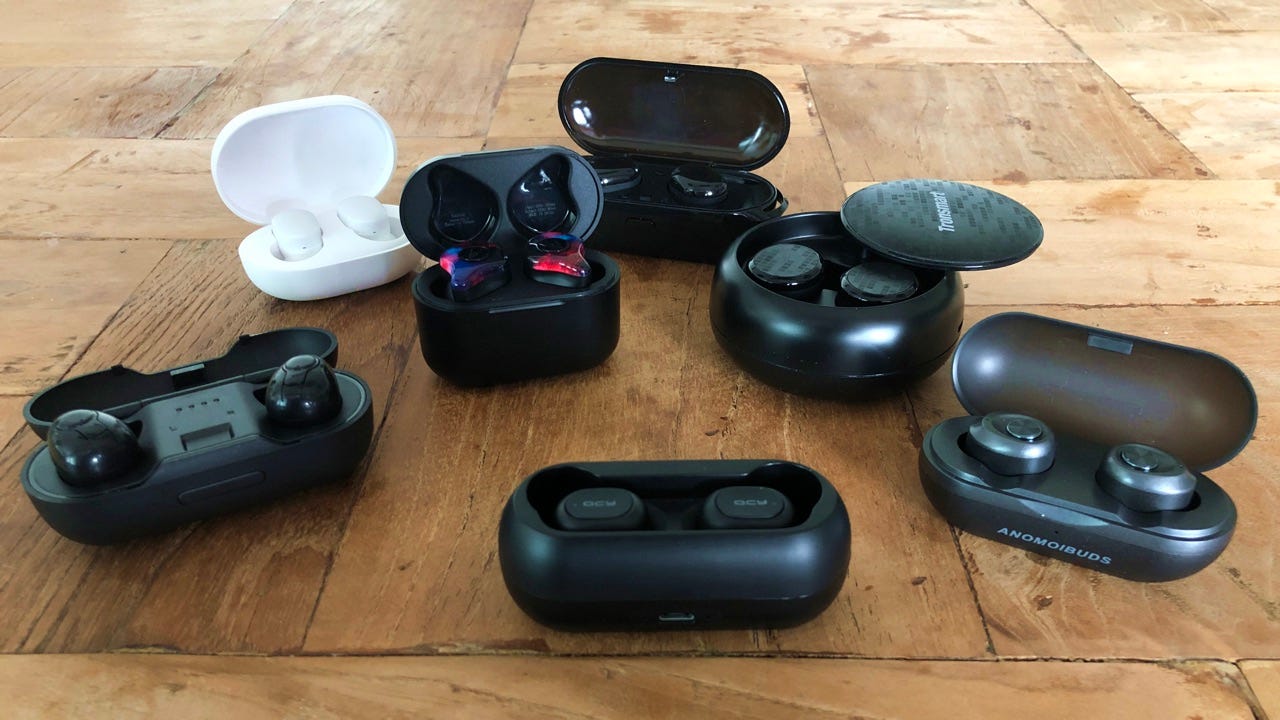
Finding the right earbuds isn’t just about picking the latest model. The wrong fit can leave you with aching ears, muffled music, and daily hassles that add up fast. Earbuds now do far more than play audio. Comfort, sound quality, battery life, and extra features all play a real part in how well they fit into your life.
Good earbuds can make calls crisp, workouts smoother, and commutes much more enjoyable. Premium models even offer advanced features like noise canceling and tailored sound. The choice matters, since the best pair will feel good hour after hour and keep up with how you listen, work, and move every day.
Define Your Earbud Needs
Choosing the best earbuds starts with knowing your personal needs. Earbuds aren’t one-size-fits-all, and how you use them day to day will shape what matters most. Take a few moments to picture your daily habits. Are you running down busy streets with music pumping or dialing into calls while riding the train? Every situation highlights different priorities for comfort, sound, and battery life.
Identify Your Main Use Cases
The most common listening scenarios cover a lot of ground—commuting, working out, joining video calls, relaxing at home, or running errands. Each activity calls for features that make a real difference.
- Commuting: If you often listen while on public transport, prioritize strong passive isolation or active noise cancellation. You want to focus on your music or podcasts, not outside chatter or engine noise. For real-world insights about listening habits, this Quora thread explores how people use earbuds daily.
- Workouts and Outdoor Activities: Choose sweatproof or water-resistant models with a secure fit. Look for ear hooks or wingtips that keep buds in place during movement. Rapid charging can be a bonus when you need a quick top-up. Check out the best earbuds for workouts for current recommendations.
- Calling and Video Meetings: Clear microphones with strong noise reduction let you sound good and hear others easily, even in noisy settings. Features like sidetone (letting you hear your own voice) or multipoint pairing also help when you’re switching between devices.
- Home and Relaxation: At home, long battery life and comfortable materials stand out. If you’re a late-night listener, softer silicone and lighter models can make binge-watching or music sessions more enjoyable.
- Variety Needs: If you regularly switch between environments, aim for flexibility. Features like ‘ambient mode’ let you hear your surroundings when it matters, without having to take the earbuds out. For a deeper look at activity-specific picks and features, see this guide on best earbuds for different activities.
Knowing your most frequent use cases helps you single out features that really count, instead of being distracted by gimmicks.
Set a Realistic Budget
Earbud pricing has a clear structure. Setting a firm budget narrows your choices and makes comparison easier.
- Entry-Level ($20-$50): Expect basic sound quality, wired or simple Bluetooth connections, and little to no extra features. Good for backup pairs or anyone with simple needs.
- Mid-Range ($50-$150): Here, you’ll find much better sound, improved ergonomics, and features like decent microphones, basic water resistance, and sometimes noise isolation. Many reliable everyday models sit in this range.
- Premium ($150-$300+): High-end options bring superior audio, advanced noise cancellation, and smart extras like wireless charging or customizable sound profiles. These also feature better build materials and longer battery life, suitable for power users or audiophiles.
Think about what you use your earbuds for, then match features to your budget. Skipping features you’ll never use can save a bundle without sacrificing quality where it counts. For pointers on healthy listening at any budget, NPR’s guide on what your earbuds are doing to your hearing is a smart read.
Balancing your needs and budget gives you a clear roadmap toward earbuds that truly fit your life.
Core Features to Consider
Modern earbuds pack a range of features that go far beyond just playing music. Narrowing your choices means focusing on the must-have details that shape your daily use. Whether you care most about stability in your connection, using your earbuds for active lifestyles, or getting the most hours between charges, core features make a difference.
Connectivity and Compatibility
When it comes to connectivity, start with Bluetooth versions. Most earbuds now use Bluetooth 5.0 or above. Higher versions give stronger, more stable connections and better energy efficiency, which leads to fewer dropouts and longer battery life. For people who use their earbuds outdoors or in crowded places, this improvement is real and noticeable.
Codec support is another key factor. If you use Apple devices, look for AAC support. Android users often benefit from aptX or LDAC, which improve sound quality by sending audio with less compression. Not all earbuds support every codec, so double-check if you want the best possible sound on your device.
Lastly, check device compatibility. Many wireless earbuds pair easily across phones, tablets, and laptops, but specific features like instant pairing, custom controls, or voice assistants might only work with certain ecosystems. You can review more about connection standards and what to look for at Choosing the right pair of wireless earbuds.
Key points:
- Bluetooth 5.0+ is best for range and stability.
- Pick codecs (AAC, aptX, LDAC) that match your devices for better audio.
- Some features work only with certain brands or operating systems.
Battery Life and Charging
Battery life can make or break your earbud experience. The average pair gets four to eight hours per charge, but many models promise even more. Charging cases boost this number, with some delivering up to 20-30 extra hours before you need to plug in the case itself.
A charging case is now standard. Look for one that is compact but offers multiple recharges, so you’re never without music, calls, or podcasts. Some cases support wireless charging, which adds convenience—just set the case on a charging pad.
Fast-charging is also worth noting. Many earbuds now offer a quick top-up feature that gives you an hour or two of playback with just a 10 to 15-minute charge. If you travel often or forget to charge your gear, this function can save you from silent commutes.
For a rundown of battery features in current top models, see the breakdown at Best Wireless Earbuds of 2025.
Main tips:
- Look for at least five hours of earbud run time, plus 20+ hours from the case.
- Fast-charge and wireless charging can keep you powered up on busy days.
- Small cases help portability but check they don’t sacrifice extra battery.
Durability and Water Resistance
Durability is non-negotiable if you use earbuds on the go, during workouts, or outdoors. Most brands now rate water and sweat resistance using the IPX scale. The higher the rating, the better the protection.
- IPX4: Handles splashes and sweat. Good for daily light workouts.
- IPX5/IPX6: Offers more robust water resistance for intense sessions or sudden rain.
- IPX7 and up: Can survive immersion in water, making them safe for running in all weather.
For outdoor or active users, choosing an earbud with at least IPX4 means you can sweat or get caught in light rain without worry. If you plan to run in heavier conditions or need maximum protection, a higher rating is smarter. Learn more about water and dust resistance on models tested at Best wireless earbuds 2025: top pairs tested by our experts.
Essential checks:
- Choose IPX4 or better if you plan to sweat or use outdoors.
- High IP ratings protect your investment.
- Durability also comes from build and material choices—rubberized coatings, reinforced cables, and quality cases make a difference.
Focusing on these essentials means you get long-lasting, versatile earbuds ready for real life. For an in-depth list of must-have features, visit 6 Features To Look in True Wireless Earbuds Before You Buy.
Comfort and Fit
Comfort shapes your daily experience with earbuds. A well-designed fit means no sore ears after long playlists, podcasts, or calls. How each earbud sits in your ear, the tips it uses, and added stability features all play a part in whether you’ll reach for your earbuds every day or leave them in a drawer. Let’s break down the things that matter most for all-day comfort.
Earbud Design Types: Outline differences between in-ear, semi-open, and open-fit designs, and how they affect comfort and awareness.
Earbuds come in three main designs, each offering its own feel and level of awareness with your surroundings:
- In-Ear (Canal) Earbuds: These insert snugly into the ear canal, creating a seal that blocks out noise and boosts bass. They provide the most secure fit for running or active use, but some people may find the seal too isolating or pressure-intensive for long listening. This style supports strong passive noise isolation, perfect for noisy environments, but may not suit those who prefer to hear some sounds around them. For a guide on comparing these styles and what fits best, see this overview on types of earbuds and their differences.
- Semi-Open Earbuds: These sit just outside the ear canal, with a partial seal. They balance audio quality with some ambient sound. The fit is less intrusive than in-ear models, reducing “plugged ear” sensations. Semi-open earbuds are a good pick for comfort and awareness, making them great for office use or situations where you want to stay tuned in to your environment.
- Open-Fit Earbuds: Commonly shaped like Apple’s classic AirPods, open-fit models rest on the ear opening without sealing the canal. They’re easy to pop in and out, feel lightweight, and keep you aware of external sounds. This can be ideal for phone calls and safe walking in city traffic. However, they may not stay secure during intense workouts and often allow more noise to leak in and out.
When picking a design, weigh your comfort against how much of the world you want—or need—to hear. Whether you want to sink into silence or keep a connection to the outside, the right design makes a real difference. For another perspective on style breakdowns, see Types of Earbuds: Which Style Is Right for You?.
Ear Tips and Stability Features: Discuss sizing options, material choices, and additional stability elements like ear wings or hooks.
Ear tips are where technology and personal comfort meet. Choosing the right size and material can turn a good earbud into a perfect fit, and the wrong tip can ruin even the priciest model.
- Size Matters: Most earbuds come with several ear tip sizes. Using a tip that’s too small can cause loose fit and sound leaks, while too large can lead to discomfort and soreness. Always try different sizes on each ear—a proper fit will feel snug, not painful, and keep audio from leaking out.
- Material Choices: The most common materials are silicone and memory foam.
- Silicone Tips are flexible, durable, and easy to clean. They offer a reliable seal for most users. Medical-grade silicone, like that found in products such as SpinFit W1, can mold subtly to different ears, boosting comfort and stability.
- Memory Foam Tips expand to the shape of your ear canal, creating a personalized seal. Foam reduces outside noise and often feels softer over long stretches. Some users prefer this for both fit and comfort. See how memory foam tips compare in this piece on finding the best earbud tips for your ears.
- Stability Features: For active lifestyles, look for design touches like:
- Ear Wings: Small rubber wings fit into the outer ear folds, preventing slips during movement.
- Ear Hooks: Wrap around the ear for the most secure fit, popular with runners or gym goers.
- Unique Shaped Tips: Some tips offer flared or oval shapes, improving both fit and sound seal.
Extras like these can make the difference in your earbuds staying put during a sprint or a busy commute. To explore all options and find tips that won’t let you down, check out the ultimate guide to choosing ear tips for stability and comfort.
Take time to test different tips and designs. The best comfort is personal, and investing a few minutes up front saves a lot of frustration down the road.
Sound Quality and Listening Features
Sound is the heart of any earbud experience, but what sets one pair apart from another? From the technology inside each bud to the features that tune listening for different moments, understanding these elements will help you make an informed choice. Let’s break down the key factors shaping how your earbuds sound, block noise, and handle calls.
Driver Technology and Audio Codecs
The type of driver inside each earbud shapes its core sound. Here are the main types you’ll see:
- Dynamic Drivers: The most common type, using a coil and diaphragm to create punchy bass and a warm sound profile. They balance clear mids and highs with energy and depth, making them a top pick for many listeners.
- Balanced Armature Drivers: These are smaller and focus on quick, accurate sound. You get crisp highs and fine detail, but they may lack the deep bass found in dynamic drivers. Some higher-end models mix multiple balanced armature drivers for a layered sound.
- Planar Magnetic Drivers: Rare in earbuds due to size, but prized for ultra-accurate and natural sound. Planar drivers deliver crisp, distortion-free audio that audiophiles love, though they can cost more.
Audio codecs are just as important. They decide how your music travels from your phone to the buds and how much detail is lost along the way. Common codecs include:
- AAC (Advanced Audio Codec): Favored by Apple users for its stable, clean sound on iPhones and iPads.
- aptX/aptX HD: Works well with many Android devices and Windows PCs. It improves clarity and keeps audio in sync with video, cutting lag.
- LDAC: A high-resolution codec from Sony that allows more data to pass, creating richer, fuller sound when your device supports it.
Choosing the right combination of driver and codec means a real difference in clarity, punch, and reliability. If you want to dive deeper into the best-sounding options, this updated list of the best-sounding wireless earbuds breaks down today’s top picks with different driver and codec options.
Active Noise Cancelling and Transparency Modes
Active noise cancelling (ANC) uses built-in microphones to listen to outside sounds, then creates sound waves that cancel them out. This technology is ideal for blocking engine rumble, office chatter, or even the hum of city streets.
Not all ANC is made equal. Premium models use advanced chips and mics to adjust cancellation in real time, handling sudden sounds or complex environments. Budget models usually block steady noise but struggle with higher-pitched or sudden sounds.
Transparency (or ambient) mode lets outside noise filter in, making it easy to hear announcements or hold a conversation. Some earbuds feature adaptive or adjustable modes, which automatically switch between full noise cancelling and transparency depending on your setting.
Consider ANC if you commute, fly often, or work in noisy places. Go for adjustable transparency if you move between quiet and busy places and need awareness. For a hands-on look at how these features compare in real use, check the best earbuds with top sound and ANC features.
Call Quality and Microphone Features
Clear calls are now just as important as good music. Earbuds use several technologies to upgrade how your voice sounds:
- Beamforming Microphones: Focus on picking up your voice while ignoring outside noise.
- Noise Reduction Algorithms: Filter out wind and background chatter to keep calls understandable.
- AI-Driven Enhancements: Some premium earbuds use AI to boost your voice and suppress unexpected sounds, sharpening what others hear.
Multipoint mics help with stereo pickup and spatial effects, so your voice stays clear even if you turn your head. Higher-end models detect when you’re speaking and dynamically adjust sensitivity. If you’re comparing models for calls and meetings, this expert-tested guide to the best earbuds covers real-world performance on voice clarity, noise handling, and extra mic features.
When sound quality, ANC, and call features come together, you’ll enjoy earbuds that match both your music tastes and your need for crisp, hassle-free calls. Choosing the right blend ensures every listening and speaking moment hits the right note.
Shopping Tips and Where to Buy
Taking the time to shop smart can help you avoid common mistakes and get earbuds that will actually last. With hundreds of choices out there, a few practical steps can quickly narrow your options and make sure you buy from sources that have your back.
Research, Reviews, and Warranty
Good earbuds are only as good as the company behind them. Before clicking buy, check feedback from real people and dig into the warranty details.
Start by looking up reputable brands that consistently deliver on sound, durability, and customer service. Trusted names often have proven track records, and user experience can tell you a lot about long-term reliability. For balanced brand opinions, see this discussion on the best and most reliable earbud brands or browse current expert roundups like the 8 best wireless earbuds and best earbuds for every budget.
Next, check customer reviews on multiple sites, not just the brand’s website. Look for comments on sound, fit, battery life, and how the earbuds hold up over time. Pay attention to reviews that mention warranty or replacement claims—seeing how companies respond to problems is just as important as how their products perform out of the box.
Keep an eye out for counterfeit products, especially if the deals seem too good to be true. Only buy from authorized resellers or well-known stores to avoid getting stuck with a fake. Counterfeit earbuds often have poor sound, unreliable connections, and no warranty support.
Always read the warranty policy. Reliable brands usually back their gear with at least a one-year warranty. This is a sign the company stands behind its product. If warranty claims sound hard to process or coverage is short, that might be a red flag.
Test Fit and Features When Possible
The only way to know how earbuds feel or sound is to try them. If you can, test different models in person at stores. This gives you the best sense of how well they fit your ears, how easy the controls are to use, and if the sound matches your style.
When buying online, always check the return policy. Many stores give you up to 30 days to change your mind and send items back if they don’t fit right or sound off. For example, Amazon’s return policy, Best Buy’s flexible returns, and Walmart’s electronics return window all cover most oral electronics within about a month.
Here are steps to make trying earbuds smoother:
- Try to visit major electronics or audio specialty stores with display units.
- When shopping online, confirm the store offers a no-hassle return or exchange window.
- Test the fit as soon as they arrive. Listen with your own devices, checking for comfort and sound with the music you love.
- Don’t settle if the fit isn’t perfect or the sound doesn’t impress—return policies exist to help you find the right match.
If you feel overwhelmed by too many choices, you’re not alone. Many shoppers go through a couple rounds of buying, trying, and returning before landing on the right pair. Some experts recommend this as part of the process. For additional tips on testing fit and picking wisely, check insights on trying earbuds before buying and advice shared by audio fans on returning earbuds that don’t fit.
Buying earbuds is a personal process, but smart shopping can turn trial and error into a positive step. Look for brands that support their products, retailers with fair policies, and always make sure you actually like how they fit and sound before you commit.
Conclusion
Choosing earbuds is a personal process that works best when you start with your own habits and priorities. The right pair lines up with how, where, and why you listen—whether it’s for clear calls, all-day comfort, lively workouts, or immersive sound on the go. Focus on key details like fit, sound, battery life, and reliable features over hype or brand names.
Try before you buy whenever possible, and use return windows to make sure your investment feels right. Earbuds are no longer just a tech purchase—they can improve your daily routines and small moments every time you press play. Thanks for reading. If you have a favorite earbud or tip for picking the perfect pair, share it with others and help guide the next listener.
Beats Studio Buds Review [2025]: Features, Updates, and User Impressions
Beats Studio Buds stand out for their strong mix of portability, comfort, and reliable active noise cancelling. They pack a punch with a bass-forward sound profile and convenient controls, all in a compact, stemless form. While they fit neatly into the Apple ecosystem with features like one-touch pairing and Spatial Audio, they also offer solid Android support through a dedicated app and fast pairing options.
Their latest updates bring better noise cancelling, longer battery life, and improved call clarity. Studio Buds appeal to users looking for a balanced, all-purpose wireless earbud that works well with both iOS and Android devices. This review covers key features, recent upgrades, and actual user impressions to help you decide if these earbuds fit your daily needs.
Key Features of Beats Studio Buds
The Beats Studio Buds offer a balanced mix of technical features aimed at users who value functionality, comfort, and a seamless listening experience. From powerful active noise cancellation to a robust fit and convenient charging, these earbuds prioritize everyday performance for both work and play.
 Photo by Jatin Jangid
Active Noise Cancelling and Transparency Mode
Beats Studio Buds excel in providing two core listening modes: Active Noise Cancelling (ANC) and Transparency.
- Active Noise Cancelling uses larger microphones and digital signal processing to adapt in real time to your environment. This mode can block out most ongoing ambient sounds—think subway drones or air conditioner hums—creating a quieter space to focus on your music, podcasts, or calls. Compared to prior models, users get up to 1.6 times stronger noise cancellation, which helps in busy offices and public transport.
- Transparency mode enables ambient sounds to filter in through external-facing microphones. This double-layered sound capture design ensures you stay aware of your surroundings, such as hearing traffic or flight announcements without removing the earbuds.
Limits: While ANC is powerful for true wireless buds, it won’t match the total silence of over-ear headphones. Sudden, sharp noises or high wind can still cut through. Transparency mode boosts everyday awareness but may sound less natural than having your ears uncovered.
In practice, toggling between these modes is quick through the multifunction button or via your paired device. This flexibility is ideal for commuting, running errands, or switching focus during work hours.
Sound Quality and Customization
Studio Buds pack a custom two-layer transducer for a rich, clear sound profile, with a focus on midrange clarity and reduced distortion.
- Music is crisp, vocals stand out, and most genres perform well at moderate volume.
- Bass response is present but tuned for balance, not heavy rumble. It may lack impact for those who prefer strong sub-bass.
- Treble leans slightly forward, so strings and synths come off sharp, though sometimes a bit artificial on complex tracks.
- Spatial Audio is supported for compatible content, simulating an immersive surround effect that enhances movies and certain playlists.
Customization is limited: There’s currently no built-in equalizer (EQ) on the buds or in the companion app. Sound adjustments rely on the source device’s software, which may be a downside for users wanting to shape their listening experience.
Comfort, Fit, and Durability
Comfort is a consistent strength for Studio Buds. The stemless oval design allows for easy handling and a discreet look.
- Four silicone tip sizes (XS, S, M, L) offer a customizable fit, improving both passive noise sealing and long-term comfort.
- Weight is well-balanced, and the compact nature keeps ear fatigue low during long sessions.
- IPX4 sweat and water resistance means these earbuds handle sweat, light rain, or gym routines without worry.
In sports or heavy workouts: The snug fit keeps the buds secure for jogging or cycling, but users with very active routines may want to double-check tip size or consider sport-specific hooks for extra stability.
Battery Life and Charging
Battery life ranks above industry averages in this class:
- Earbuds deliver up to 8-9 hours per charge (depending on ANC use).
- With ANC on: closer to 8 hours.
- With ANC off: up to 9 hours.
- The charging case adds approximately 27 more hours, totaling around 36 hours with periodic recharges.
- Fast Fuel quick charge provides 1 hour of playback from just 5 minutes of charging—a helpful feature for last-minute needs.
- The case uses USB-C for charging and is small enough for any pocket or bag.
There’s no wireless charging, but USB-C keeps the process fast and widely compatible. Indicator lights signal remaining battery, and companion apps for both iOS and Android show real-time status.
These features keep Studio Buds convenient for all-day use, travel, and quick turnover between calls, workouts, or entertainment.
User Experience and Integration
The usability of Beats Studio Buds often depends on what phone or device you use every day. Their user experience covers both Apple and Android platforms, but there are differences in how features work and how smooth the daily routine can be. This section breaks down what Studio Buds offer for iOS and Android, showing what’s built-in and where lines are drawn.
Apple Ecosystem Benefits: Expand on iCloud pairing, one-touch setup, and integration compared to AirPods
 Photo by Wendy Wei
Beats Studio Buds work well with iPhones and iPads, thanks to Apple’s integration choices. The pairing process starts as soon as you flip the case near an iPhone—watch for the pop-up prompt, tap to connect, and you’re set. Unlike many wireless earbuds, you don’t need to press and hold anything in a pairing mode.
Here are the most important Apple-specific features the Studio Buds deliver:
- One-touch pairing: Setup is automatic. Hold the case near your iPhone, hit connect, and the buds are ready in seconds.
- iCloud pairing: After the first connection, your Studio Buds show up on Apple devices linked to your iCloud account—including iPad, Mac, and Apple Watch. This makes it fast to jump between devices.
- Find My support: If you misplace your Studio Buds, Apple’s Find My app can show their last known location or even ping them if they’re nearby.
- Control in Control Center: ANC and Transparency Mode controls appear in the iOS Control Center, without needing a separate app.
- Quick access to battery status: The iOS battery widget shows case and buds battery levels at a glance.
However, Beats Studio Buds lack AirPods’ custom Apple chips like the H1 or W1. That means two things:
- No auto-switching between audio sources during calls or video (AirPods snap between iPhone and Mac, Studio Buds must be manually reselected).
- No spatial audio head tracking or in-ear detection.
While AirPods Pro still win for “just works” integration, Studio Buds meet most needs for casual music, Zoom calls, and everyday listening—while costing noticeably less.
Android Compatibility: Note Beats app features, manual firmware updates, and what Android users gain or miss out on
Beats Studio Buds are built to be friendly for Android users. From the start, pairing is simple using Google Fast Pair—open the case and you’ll see a connect prompt on modern Android phones, no searching Bluetooth menus.
Here’s what you get when using Studio Buds with Android:
- Google Fast Pair support: Quick, tap-to-connect pairing that automatically links your buds to all Android and Chrome devices using your Google account.
- Beats app for Android: The app gives you options to toggle Active Noise Cancelling and Transparency Mode, check battery status, and control playback.
- Manual firmware updates: Updates must be done through the Beats app on Android, instead of automatic over-the-air updates like on iOS.
- Customizable controls: You can remap press-and-hold shortcuts and set Google Assistant as your voice assistant.
What’s not available on Android:
- No “Find My Device” integration from the system (though the Beats app helps some with bud tracking).
- No native battery widgets like those in iOS.
- Device switching isn’t automatic—you’ll need to connect manually when moving between phone, tablet, or laptop.
For Android users, the control and ANC features are all there, but with more manual steps for switching and device tracking. Still, the consistent Bluetooth connection (Bluetooth 5.2), solid audio, and decent ANC give a robust experience even outside Apple’s world.
The dual-focus approach makes Studio Buds a true cross-platform option, standing out from many earbuds that restrict their best features to one brand.
Recent Updates and Market Position
Ongoing firmware updates and shifting competition have shaped the Beats Studio Buds into a well-rounded option for everyday users. Keeping pace with rapid advancements in wireless audio, these earbuds stack up impressively on feature improvements and their overall spot in a crowded market.
Firmware Upgrades and New Capabilities

Photo by Polina Tankilevitch
The latest firmware (build 2C318) for Beats Studio Buds Plus, released in September 2024, marks a meaningful leap in day-to-day performance and usability. Here’s how recent updates drive value for users:
- Refined audio tuning: The new firmware refines the sound profile, delivering clearer mids, a more balanced bass, and richer overall tones. The resulting soundstage suits a broader range of music styles and podcast voices, making listening more enjoyable for a wider audience.
- Improved adaptive noise cancellation: Noise suppression has become more effective, dialing back ambient sounds while preserving audio clarity. ANC now works with better fidelity, especially in variable environments like transit or noisy workspaces.
- Extended battery efficiency: Firmware changes help squeeze longer listening sessions from the same battery capacity, especially when ANC or Transparency Mode is used. This matters during commutes or long calls.
- Better call quality: Microphone tuning and background noise reduction provide clearer voice pick-up. Whether on work calls or catching up with friends, voices sound more focused and less muffled.
- Connectivity and device switching: Bluetooth and device-switching stability are now stronger, reducing dropouts and supporting smoother transitions between Apple devices. Android users see faster re-pairing and fewer hiccups.
- Expanded Find My integration: Enhanced support with Apple’s Find My network means users can locate misplaced buds with higher precision through the app’s mapping feature.
The firmware update process is simple. For iOS, it runs automatically when connected to a charging device and Wi-Fi. On Android, the Beats app manages manual checks and installations.
These upgrades, delivered over-the-air, keep the Studio Buds competitive and relevant, pushing features closer to higher-priced rivals and boosting the value for existing owners. Each update gives the earbuds tools that real users need, without complicating core usability.
Competitive Market Landscape
The true test for Beats Studio Buds is how they stack up against the segment’s giants—Apple AirPods Pro and Sony WF-1000XM4. Here’s a clear snapshot:
- Price: Studio Buds list for around $170 to $180, often selling for less. AirPods Pro 2 retail closer to $250. Sony WF-1000XM4 typically goes for $250 to $280.
- Core features:
- All three offer active noise cancelling (ANC), solid battery life, and sweat resistance.
- Beats promote strong cross-platform compatibility, supporting both iOS and Android through dedicated apps and fast pairing.
- AirPods Pro add wireless charging, adaptive transparency, and spatial audio with head tracking—all tightly integrated with Apple hardware.
- Sony WF-1000XM4 target audiophiles with high-res codecs (LDAC), immersive sound, multipoint Bluetooth, and top-tier ANC tech.
- Unique selling points:
- Beats Studio Buds: Value-driven, comfortable, lightweight design, robust Fit, and competitive ANC. Reliable performance without locking users into a specific ecosystem. Recent firmware brings near-flagship sound refinement and device-finding tools.
- AirPods Pro: Seamless Apple integration (auto-switching, Find My, adaptive EQ), MagSafe wireless charging, and broader ecosystem perks.
- Sony WF-1000XM4: Best-in-class audio, advanced noise suppression, customizable sound, and support for high-quality streaming codecs.
- Battery life: Studio Buds push nearly 8-9 hours per charge with ANC off, up to 36 hours with case. AirPods Pro and Sony both range from 6 to 8 hours, with wireless charging as a premium extra.
- Weight and comfort: Beats are lighter (about 5g per earbud), AirPods about 5.4g, Sony heavier near 7.7g, making Beats the easier fit for extended wear or active use.
Industry data points to a trend: users want features once limited to premium models at a more attainable price. Studio Buds tap into this by narrowing the gap with better firmware, improved ANC, and an open approach to Android and Apple users alike.
In this market, Beats Studio Buds measure up for buyers who value sound quality, long battery life, and flexibility, without paying for high-end perks they might not need. For those craving deep customization, high-res streaming, or Apple-only features, AirPods Pro and Sony WF-1000XM4 stand ready at a higher investment. Beats’ steady updates and strong baseline features make them a smart pick for multi-platform listeners seeking dependable wireless audio.
Customer Feedback and Real-World Impressions
Beats Studio Buds have gathered a wide range of user feedback, highlighting both strengths and technical limitations. Most users appreciate the earbuds for casual listening, daily commuting, exercise, and calls. However, some common complaints reveal real trade-offs in design, especially when compared to flagship rivals. This section breaks down actual user impressions and summarizes verified reviews, focusing on core aspects like comfort, sound, active noise canceling (ANC), and microphone quality.
Strengths Highlighted by Users
 Photo by MART PRODUCTION
User reviews and technical testing consistently praise the Studio Buds for several key features:
- Comfort and Fit
- Four ear tip sizes (XS to L) allow most people to get a secure and comfortable fit.
- Lightweight construction (about 5g per bud) minimizes ear fatigue, even during extended sessions.
- Many find the stemless, oval design easy to insert and wear discreetly.
- IPX4 water resistance is enough for gym use and running in light rain.
- Sound Quality
- Signature Beats bass is always present, giving energy to hip hop, pop, and electronic music.
- The overall sound profile delivers clear audio at moderate volume. Most users think music and podcasts sound full, especially if the ear tips form a tight seal.
- For many, the default tuning is enjoyable for travel and workouts, where deep bass and clarity are priorities.
- Active Noise Cancelling (ANC)
- The latest model (Studio Buds Plus) offers ANC strong enough to block office noise, traffic, and background voices.
- ANC doesn’t match flagship models but is effective for the price point, especially with a proper fit.
- Transparency mode receives positive marks for letting in outside sounds clearly during commutes or when situational awareness matters.
- Microphone and Call Quality
- Microphone arrays perform better than previous Beats models, now handling calls with less background interference.
- Voice pickup is clear in quiet or mildly noisy spaces, making the buds practical for work calls or voice commands (Siri, Google Assistant).
- Reliable Bluetooth connection keeps calls stable without frequent drops.
- Battery and Charging
- Up to nine hours on a single charge without ANC, with an extra 27 hours from the charging case.
- Quick charge provides about an hour of playback from just five minutes plugged in.
- Battery performance consistently rates above average at this price.
Common Complaints and Limitations
Despite positive feedback, technical reviews and real users point out a few repeated limitations that could matter, depending on use:
- Fit and Controls
- Some users struggle with fit during running or rapid movement due to the lack of stabilizing fins. The buds can shift in the ear, reducing seal and sound quality.
- Physical button controls are easy to use but can disrupt placement—pressing the button often moves the bud, temporarily breaking the seal and reducing bass or ANC effectiveness.
- Active Noise Cancellation and Transparency
- ANC cuts down on repeat background noise like fans or chatter but is less effective against sudden sounds (barking dogs, slamming doors).
- Performance is very sensitive to seal quality. Poor fit drastically reduces ANC and bass impact.
- Transparency mode works but can sound artificial compared to having nothing in your ears.
- Sound Profile
- The default tuning is heavy in bass but weak in the midrange and treble, making complex music or detailed vocals sound less rich.
- No on-device or app-based equalizer (EQ) limits personal sound customization.
- The stereo image is narrow; soundstage feels closed in, especially compared to open-backed or over-ear headphones.
- Microphone Issues
- Call quality still suffers in very noisy places. Microphones suppress some background sounds but capture a thin, sometimes tinny voice during busy commutes.
- Not ideal for high-stakes professional calls in heavily crowded areas.
- Device Compatibility and Features
- Lacks support for higher-quality Bluetooth codecs like aptX or LDAC—AAC and SBC only.
- Case does not support wireless charging.
- No built-in device “find” features for Android (though available with Apple’s Find My).
- Durability
- The charging case hinge is fragile and has broken for some users.
- The small, opaque case is easy to lose and attracts scratches.
In summary, Beats Studio Buds present a well-balanced product with everyday practicality and a few unavoidable compromises. Users looking for strong ANC and premium sound detail may prefer higher-end options, but the vast majority find the Studio Buds fit daily needs with ease, especially if comfort, fast charging, and simple use matter most.
Conclusion
Beats Studio Buds are a strong choice for buyers who want balanced sound, reliable noise cancelling, and broad compatibility without a high price tag. These earbuds suit casual listeners, commuters, and active users who value comfort, fast charging, and simple controls.
Recent updates have improved battery life, call clarity, and sound tuning. While Studio Buds do not match the noise cancelling or custom sound options of higher-end models, they deliver stable, enjoyable performance across both Apple and Android devices.
Choose Studio Buds if you need dependable wireless audio that works well for daily use and fits different platforms. For users wanting top-tier noise cancellation or advanced sound tweaking, other models may fit better, but Studio Buds remain a practical, cost-effective pick.
If you have experience with Studio Buds, share your insights below or suggest what features matter most for your wireless earbuds. Thanks for reading, and watch for future updates on the next big leaps in true wireless audio.
Best Earbud Reviews 2025
Soundcore by Anker Liberty 4 NC Wireless Earbuds Review [2025 Update]
Wireless earbuds have seen rapid progress in 2025, resetting what regular users expect from personal audio. The Soundcore by Anker Liberty 4 NC Wireless Earbuds make a strong case with advanced noise cancellation, long battery life, and clear audio at a cost many can afford.
With rising interest in features like customizable sound and lasting comfort, these earbuds meet the needs of daily commuters, students, remote workers, and fitness fans. The Soundcore by Anker Liberty 4 NC Wireless Earbuds offer a practical mix of innovation, user-focused design, and value. Whether you seek crisp sound for study sessions or a reliable partner on busy days, these earbuds stand out as a wise choice for 2025.
Watch a first-look review here: https://www.youtube.com/watch?v=63ECInyLgck
Features and Technical Specifications of Soundcore by Anker Liberty 4 NC Wireless Earbuds
The Soundcore by Anker Liberty 4 NC Wireless Earbuds promise reliable audio with modern conveniences at an approachable price. Beyond standard wireless features, these earbuds pack premium tech into a compact, user-friendly package, making them a strong contender among daily-use audio products.
Audio Performance and Sound Profile
Photo by Wendy Wei
Sound quality is the backbone of the Liberty 4 NC experience. Anker uses large 11mm dynamic drivers to reproduce deep bass and crisp highs. The frequency response goes well beyond the 20Hz to 20kHz range, so users get everything from deep rumbles to textured vocals. Liberty 4 NC’s sound tuning features a bass-boosted signature, providing up to a +7dB lift in the low end (centered around 100Hz) for a vibrant and energetic listen, especially with pop or dance tracks.
The mids are tuned to stay nearly flat, keeping vocals and instruments clear. Treble is balanced with minor emphasis in mid-treble, though it can be a bit sharp on sibilant tracks at high volumes. For those who crave customization, the free Soundcore app unlocks detailed control:
- LDAC Codec for Hi-Res wireless audio (best on supported Android devices).
- 22 built-in EQ presets cover pop, classical, hip-hop, and more.
- 8-band graphic EQ for full manual tuning.
- HearID personal sound profile maps your hearing and adjusts frequency ranges to your preferences.
- Virtual surround modes boost immersion for gaming or movies.
Bluetooth 5.3 ensures quick, stable connections. Multipoint pairing lets the earbuds connect to two devices, like your phone and laptop, at once.
Active Noise Cancelling and Transparency Mode
The Liberty 4 NC includes Anker’s Adaptive ANC 2.0, a standout technology in this price range. Real-time microphones scan outside noise, adapting the ANC level to your surroundings. Whether it’s the roar of a subway, daily office noise, or a gusty sidewalk, ANC automatically shifts its aggressiveness for maximum result.
Key ANC features:
- 98.5% noise reduction (up to -20.94 dB attenuation).
- Four dedicated ANC modes: Transport, Indoor, Outdoor, and Adaptive.
- Wind reduction built in to minimize cutouts in breezy conditions.
- Manual override for ANC strength in-app.
In side-by-side reviews, the Liberty 4 NC stands close to premium earbuds like the Sony WF-1000XM5 and Bose QuietComfort Earbuds II for everyday environments (though those high-end models still edge it out in peak performance).
The transparency mode gives a natural pass-through of outside sound, using microphones to amplify voices and alerts while limiting harsh background noise. This feature is key for city walks or when you need to talk without removing the earbuds.
Battery Life and Charging Capabilities
Battery life on the Soundcore by Anker Liberty 4 NC Wireless Earbuds is a true strong point. With active noise cancelling switched on, users typically get up to 10 hours per charge, and the case brings the total to 50 hours before needing an outlet.
Here’s what users can expect:
- Earbuds: Up to 10 hours playtime with ANC, 8 hours if streaming Hi-Res via LDAC.
- Charging case: Adds 40 more hours, reaching total quoted runtime of 50 hours.
- Quick charge: 10 minutes in the case gives around 4 hours of playback.
- Wireless charging: Qi-compatible for drop-and-go convenience.
USB-C wired charging fills the case from empty to full in about two hours. In real use, heavy LDAC streaming and high ANC settings can cut battery life by about 15-20 percent, but the earbuds still run longer than many rivals at this price.
The case is compact and features a solid hinge with clear status LEDs. An IPX4 water resistance rating means the earbuds can handle sweat and rain, though aren’t the top choice for extended runs in bad weather.
Technical quick list:
- Bluetooth 5.3, LDAC, AAC, SBC support
- Six-microphone system for calls and noise input
- Touch controls, customizable in app
- In-ear detection for auto-pause
- IPX4 water resistance
- Flip-lid charging case, Qi wireless, USB-C fast charging
The Liberty 4 NC earbuds combine thoughtful design, strong specs, and practical tech for users who want high performance but don’t want to overpay.
Ergonomics, Comfort, and User Experience

Photo by Dina Nasyrova
The Soundcore by Anker Liberty 4 NC Wireless Earbuds rank high on comfort, day-long usability, and customization. Every detail—from shape to app features—reflects a scientific approach to fit and function. These earbuds are built for people who move through life at a fast pace, whether they commute, work at a desk, or train at the gym. Their ergonomic design, reliable durability, and software support form the core of a user experience that is adaptable and practical.
Companion App and Customization
The Soundcore app is more than a remote control. It acts as the command center for fine-tuning audio, adjusting controls, and ensuring your earbuds keep up with your preferences and tech needs.
Key features within the Soundcore app:
- EQ Presets and Manual Tuning:
The app offers over 22 EQ presets. These range from “deep bass” to “spoken word” to suit different listening settings. You can tune the 8-band graphic EQ by hand if you have a specific taste, balancing bass, mids, or treble to match your favorite tracks. - Personalized Audio with HearID:
Users can run a quick hearing test in the app—called HearID—that adapts sound output to match your own hearing profile. The app maps your hearing patterns, then tweaks the frequency curve so voices are more distinct, bass is punchier, and treble is clearer. This process uses clinical audiology techniques, ensuring that each ear hears a balanced sound spectrum. - Touch Control Setup:
Liberty 4 NC’s touch gestures are fully customizable from the app. You can assign actions to single taps, double taps, or press-and-hold on each earbud. Whether you want playback control, voice assistant activation, or instant toggling between ANC and Transparency mode, the layout is in your hands. This feature reduces accidental touches, a frequent issue with less configurable earbud controls. - Firmware Updates and Device Management:
The app checks for the latest firmware and security enhancements for your earbuds. Updates add stability, fix bugs, and sometimes roll out new features, keeping your earbuds fresh. - Other Notable Features:
- Noise cancellation modes—switch between Adaptive, Transport, Indoor, and Outdoor settings on the fly.
- Battery level display for each earbud and the case, so you never run out of power unexpectedly.
- Find My Earbuds tool—plays a sound so you can locate misplaced buds nearby.
- Auto-off timers to save power if you remove your earbuds but forget to put them in the case.
The Soundcore by Anker Liberty 4 NC Wireless Earbuds offer one of the richest personalization ecosystems in their class. Whether you prefer scientific sound adjustment, a unique touch setup, or peace of mind from the latest updates and device management, the app brings daily convenience and peace of mind.
In summary, this companion app connects hardware and user in a way rarely seen in this price range, making these earbuds flexible for both audiophiles and everyday listeners. The earbuds’ ergonomic fit, coupled with customizable technology, supports comfort and reliable performance across work, daily errands, and hard training sessions.
Comparative Value: How the Liberty 4 NC Compete in 2025
The Soundcore by Anker Liberty 4 NC Wireless Earbuds step into a crowded 2025 market, surrounded by heavy hitters like Sony, Bose, and Apple. Rather than relying on brand prestige or flashy claims, these earbuds carve out their space through strong technical performance, lots of features, and a price that challenges more expensive models. It’s not just about specs—shoppers want real value for what they pay, and that’s where the Liberty 4 NC earns its reputation for balance.
Sound and ANC Against the Competition
The conversation in 2025 is led by giants: Sony’s WF-1000XM5, Bose’s QuietComfort Ultra Earbuds, and Apple’s AirPods Pro 2. Each brand brings distinct tuning, adaptive noise-canceling, and ecosystem perks. The Soundcore by Anker Liberty 4 NC Wireless Earbuds match up directly by focusing on robust sound, practical noise control, and affordability.

Photo by Polina Tankilevitch
How Soundcore by Anker Liberty 4 NC stack up:
- Audio Quality:
The Liberty 4 NC’s 11mm drivers provide warm bass, clean mids, and crisp treble, with LDAC codec support for high-res streaming on Android. Their sound leans towards punchy and lively, which suits everyday listening and modern genres.- Sony WF-1000XM5: Offers more focus and detail, especially in the treble, with a slightly smaller driver but supports up to 40kHz for hi-fi audio fans.
- Bose QuietComfort Ultra: Prioritizes a natural soundstage with forward mids, good for vocals, but does not deliver as much bass punch as Soundcore does.
- Apple AirPods Pro 2: Aims for balanced sound with adaptive EQ, rich mids and vocals, though some users note less warmth compared to Soundcore.
- Active Noise Cancellation:
Liberty 4 NC uses Adaptive ANC 2.0, designed to block out daily noise with real-time adjustments. Its ANC is highly effective for city commutes or busy offices, falling just behind industry leaders.- The Sony WF-1000XM5 often wins for pure noise reduction, using advanced neural algorithms to tackle a wide frequency range, including deep engine rumble.
- Bose QuietComfort Ultra remains the standard for comfort-driven and strong ANC, especially at mid and high frequencies.
- AirPods Pro 2 offers precise adaptive noise control and superb transparency, optimized for iPhone and environmental awareness.
- Price-to-Performance:
- Soundcore by Anker Liberty 4 NC regularly retails for under $100. Even with its minor ANC sacrifices compared to models costing 2–3 times more, it beats expectations in clarity, bass, and noise rejection at this price.
- Sony, Bose, and Apple sit in the $200–$300 range. Their flagship models offer extra polish in sound and noise canceling, but not everyone will hear a $150 difference day to day.
For shoppers interested in strong performance but who pause at luxury price tags, the Liberty 4 NC delivers standout results. Features like Hi-Res audio, customizable EQ, and adaptive ANC are now no longer exclusive to the most expensive earbuds.
Durability, Battery, and Feature Set Compared
Beyond sound and noise cancellation, success in this market comes down to everyday practicality. People expect their earbuds to survive a hectic life and keep going for hours.
Liberty 4 NC’s practical strengths:
- Build Quality & Comfort:
- Sturdy plastics, tight seams, and IPX4 water resistance mean Liberty 4 NC stands up to sweat, rain, or slips into a crowded bag.
- With a weight of just 9.1 grams per earbud and a compact case, they disappear in the pocket but stay comfortable all day.
- Rivals like the Bose QuietComfort Ultra and Sony WF-1000XM5 also boast IPX4 ratings and advanced fit, though Bose’s larger profile may feel bulkier during workouts.
- Battery Life:
- Liberty 4 NC achieves up to 10 hours per charge (with ANC), and a full 50 hours using the case—leading the category for under $100.
- Sony WF-1000XM5: 8 hours (ANC on), total 24 hours with the case.
- Bose QuietComfort Ultra: 6 hours (ANC on), about 24 hours in total.
- AirPods Pro 2: 6–7 hours (ANC on), up to 30 hours total.
- Soundcore’s quick charge feature provides 4 hours of use from just 10 minutes in the case, matching or exceeding fast charging from more expensive models.
- Feature Set:
- Multipoint pairing allows switching between phone and laptop, fitting hybrid work trends.
- LDAC and customizable sound profiles rival features found in the best Sony and Samsung models.
- On-bud controls via touch—and full custom control in the Soundcore app—mean fewer trips to your phone.
- Wireless charging is included, which matches the convenience provided by Apple and Sony.
Key advantages at a glance:
- Liberty 4 NC maximizes battery and comfort for daily wearers.
- Offers a waterproof rating and robust charging case competitive with the best.
- Balanced feature set—multipoint, high-res codec, full app settings—shrinks the gap between budget and flagship.
The Soundcore by Anker Liberty 4 NC Wireless Earbuds combine much of what the market’s best offer, but do it at a price that opens the door for more buyers. Shoppers comparing all-day battery, active features, and build quality will see the Liberty 4 NC’s formula stacks up well against premium names, especially for anyone who refuses to overpay.
Real-World User Impressions and Critical Reception
The Soundcore by Anker Liberty 4 NC Wireless Earbuds have drawn significant interest from both everyday listeners and audio experts in 2024 and 2025. Their blend of advanced features and value pricing generates steady discussion in review platforms, forums, and tech publications. This section summarizes how users and critics view key aspects like audio quality, call performance, reliability, fit, and typical quirks, along with reviewer scores.
Community Feedback: Everyday User Perspectives
Owners of the Soundcore by Anker Liberty 4 NC Wireless Earbuds highlight their active noise cancellation, sound customization, and battery life as standout strengths—especially given the price.
 Photo by Berna T.
Key points from user reviews:
- Noise Cancellation: Praised for being highly effective against traffic, voices, and wind. Many users note it rivals pricier brands in typical settings like commutes or cafes.
- Sound Quality: The boosted bass and clear mids earn points with pop, dance, and electronic fans. Most users find them satisfying out of the box; the app’s 8-band EQ wins over more demanding listeners.
- Comfort and Fit: Users report positive experiences wearing them for hours, attributing comfort to the lightweight design and multiple tip sizes. Some with smaller ears suggest trying alternative tips for the best fit.
- Battery Life: Widespread agreement that real-world use matches or comes close to the advertised 8–10 hours per charge, with the case extending total use over days. Quick charging gets praise for convenience.
- Multipoint and App Features: Switching between devices, tuning sound, and customizing controls—all from the Soundcore app—receives steady acclaim.
Typical gripes include:
- Transparency Mode: While the ANC impresses, the transparency mode sometimes muffles outside voices, which is noted by reviewers and owners alike.
- Call Quality: Call quality is considered decent for indoor use but takes a hit in windy or noisy streets. The six-mic setup performs well for casual calls but doesn’t match the best for clarity in challenging environments.
- Fit During Activity: The semi-in-ear fit can require the occasional readjustment during strenuous workouts or long runs.
- Software Quirks: A minority of users experience small bugs with in-ear detection and touch controls, which usually resolve after firmware updates.
Review Scores and Expert Analysis
Tech review outlets and independent experts generally rate the Soundcore by Anker Liberty 4 NC Wireless Earbuds highly for their price-to-performance ratio. Their consensus points are easy to scan for clarity.
Scoring highlights from critical reviews:
- SoundGuys: Calls them “a contender for the best affordable noise canceling earbuds,” noting value, robust ANC, and clarity. Source
- Rtings: Applauds noise isolation and battery, suggesting they’re well-suited for offices and commutes but suggesting improvements in treble sharpness at high volume. Source
- PCMag: Cites “a rich sound signature,” “impressive noise cancellation,” and comprehensive customization via the Soundcore app as standout positives. Source
- Scarbir: Awards 4.5 out of 5 stars, describing them as “versatile” and a “great pair under $100.” Source
- Amazon and Reddit: Users echo these sentiments, with many posts confirming long battery life, comfort, and value among daily users. Negative reviews often reference niche fit issues or rare software bugs.
Key reviewer observations:
- ANC performs well in “real environments”—urban noise, transit, office—though top-tier (costlier) Sony, Bose, and Apple models retain a small edge in extreme scenarios.
- Sound: Tuning appeals to mainstream tastes, leaning bass-heavy but with enough EQ flexibility to adjust for detailed listening.
- Durability: IPX4 rating and solid build suit most daily routines.
- App Ecosystem: Experts regularly single out the companion app’s depth, granting control rarely seen even at two or three times the price.
Common Threads: Reliability, Fit, and Software
Consistency matters for everyday gear. Here’s what reviewers and users agree on regarding reliability, fit, call quality, and quirks:
- Reliability: Stable Bluetooth connection, few dropouts, and smooth switching between devices are repeating positives.
- Fit and Long-Term Comfort: Generally good with the provided ear tip options, but athletic users find deeper in-ear models more secure for fast movement.
- Microphone Array and Call Reliability:
- Call quality is “above average” in a quiet home or office, but listeners report background noise seeps in more on busy streets.
- AI noise reduction helps, but some users seek clearer performance for work calls compared to business-focused earbuds.
- Software and Firmware: Most bugs—like unresponsive touch controls or in-ear detection delays—are handled via the frequent app updates. Power users appreciate staying current for the best performance.
Balanced Highlights and Drawbacks
Summing up both sides of the user and expert response presents a clear and trustworthy picture:
Highlights:
- Advanced ANC at a budget price
- Customizable audio and controls
- Long battery life with quick charge
- Multipoint Bluetooth & LDAC support
- Comfortable for most ear shapes for extended wear
Drawbacks:
- Transparency could be clearer
- Call clarity drops in busy, loud places
- Some users experience minor software bugs (mostly fixable)
- Athletic fit not as snug as deeply-seated earbuds
Overall, real-world impressions align with critical reception: the Soundcore by Anker Liberty 4 NC Wireless Earbuds are a capable, customizable choice with far more strengths than setbacks for their price range. Reliability, user-friendly features, and impressive noise cancellation make them stand out in the crowded wireless earbud market.
Drawing Together the Assessment: Soundcore by Anker Liberty 4 NC Wireless Earbuds
The Soundcore by Anker Liberty 4 NC Wireless Earbuds present a compelling blend of features in the 2025 wireless audio market, achieving a balance between performance and affordability that few in this price tier can match. As the demand for reliable noise-canceling earbuds grows, understanding the Liberty 4 NC’s core strengths and trade-offs is essential for informed buyers.

Photo by Ono Kosuki
Key Strengths for Everyday and Demanding Users
The Liberty 4 NC Wireless Earbuds stand out in critical categories that matter most for wireless audio:
- Active Noise Cancelling (ANC)
These earbuds reach an impressive -20.94 dB in real noise suppression, closely approaching far more expensive competitors. Adaptive ANC tunes itself to environments like city streets, offices, and public transit, making them highly versatile for daily routines and travel. - Audio Quality
With 11mm custom-tuned drivers, a strong bass presence, rich mids, and energetic treble, the Liberty 4 NC favors modern genres and voices. The support for LDAC and a customizable 8-band EQ enables both casual listeners and audiophiles to dial in the ideal sound signature. - Battery Life and Charging
Few earbuds in this bracket deliver up to 10 hours of playback with noise canceling active and a whopping 50 hours total with the case. Fast charging (four hours from a ten-minute charge) and Qi-compatible wireless charging emphasize reliability for extended use. - User Experience and Design
Multipoint Bluetooth 5.3, in-app control customization, reliable touch gestures, and a handy companion app set the Liberty 4 NC apart. Ergonomic fit and an IPX4 rating add practicality, keeping them protected from sweat and rain. - Value
The combination of these strengths at a sub-$100 price highlights why the Liberty 4 NC ranks high among buyers looking for real-world performance without breaking the bank.
Important Shortcomings and User Caveats
Despite a strong offering, practical buyers should be aware of some limitations:
- Transparency Mode Limitations
While useful for awareness, the mode can make voices sound faint or muffled, so those who regularly need clear pass-through audio (for street safety or frequent quick conversations) may notice this drawback. - Call Quality and Athletic Fit
The six-microphone array performs well indoors but faces challenges in noisy or windy environments. The fit, while comfortable, may not lock in as tightly for very vigorous exercise compared to deeper in-ear rivals. - Software Glitches
Occasional touch control or auto-detection bugs have been reported, though consistent firmware updates resolve most issues. Still, users should expect the rare hiccup in day-to-day use.
Buyer’s Guidance for 2025: Who Should Consider These Earbuds?
In a 2025 marketplace filled with both premium and value-tier choices, the Soundcore by Anker Liberty 4 NC Wireless Earbuds secure a spot as a resilient, adaptive option. Their balance fits especially well for:
- Commuters and office workers seeking powerful ANC and long battery life
- Listeners wanting a customizable sound signature
- Students and mobile professionals valuing multipoint connection and reliable comfort
- Buyers focused on affordable price but not willing to sacrifice core features
Those with heavy requirements for athletic fit or the clearest transparency mode might look to more specialized models, but for most mainstream users, the trade-offs are minor.
Bottom Line for Prospective Buyers
The Soundcore by Anker Liberty 4 NC Wireless Earbuds deliver on their promise: adaptive noise canceling, lively audio, rich app customization, and uninterrupted use at a cost-conscious price. Across expert reviews, user feedback, and hands-on comparisons, they emerge as one of the most capable choices for everyday wireless audio in 2025. Buyers who value consistent battery, strong ANC, customizable controls, and robust sound will find the Liberty 4 NC a trustworthy pick.
About the Author


